
Missouri has moved quickly to put its share of federal Rural Health Transformation Program (RHTP) dollars to work, and for rural hospitals, clinics, and health centers across the state, that means real funding opportunities are opening up for equipment and infrastructure investments right now. Here’s what Missouri’s program looks like, where equipment like AccuVax and AccuShelf fits, and how to position a funding request.
What Missouri’s ToRCH Program Is
Missouri’s state-led initiative under the federal Rural Health Transformation Program is called Transformation of Rural Community Health (ToRCH) Care, coordinated by the MO HealthNet Division within the Missouri Department of Social Services (DSS). For Year 1 of the program, CMS awarded Missouri $216 million; the 9th-highest award in the country, and the state has directed more than 90%, roughly $202 million, into Missouri’s rural healthcare ecosystem.
ToRCH Care is built around a “community hub” model: rural hospitals, clinics, and provider networks act as regional hubs connecting patients to both clinical and non-clinical services closer to home. Alongside the care-coordination side of the program, DSS has opened dedicated infrastructure funding tracks aimed at helping rural facilities modernize and expand capacity, and this is where equipment funding opportunities live.
The Two Infrastructure Funding Tracks
Horizon 1 — ToRCH Care Strategic Minor Renovations (IFB #DSS26009001): This track supports the design, modernization, and strategic renovation of existing rural facilities, with published guidance covering eligible medical equipment, furniture, fixtures, and infrastructure. Partial awards are allowed, and recent amendments broadened eligibility criteria and clarified how bundled projects can be submitted under a single proposal.
Horizon 2 — Smart Growth and Service Line Modification (IFB #DSS26015): This track offers individual awards of up to $5 million, with nearly $40 million available across Program Years 1 and 2 (pending CMS budget approval), for one-time infrastructure investments tied to one of three priority service lines: maternal health, behavioral health, or diagnostics and outpatient care.
Across both tracks, funding is intended for strategic, one-time infrastructure investments — not for new construction, demolition, major facility expansions, cosmetic improvements, routine operating expenses, or supplanting existing funding sources like staff salaries.
Who’s Eligible
DSS describes eligibility broadly: funding is open to hospitals and any organization whose programs, facilities, workforce, or services expand rural residents’ access to healthcare within Missouri’s designated rural communities. Applicants must deliver care from within a state-designated rural service area and demonstrate that the project addresses a documented local infrastructure gap.
That framing is broad enough that rural community health centers and FQHCs delivering care in designated rural areas may well qualify, but because the published guidance to date has focused heavily on hospitals, any CHC considering an application should confirm its specific eligibility directly with the DSS Rural Health Transformation Office or MEMSA (which administers the RHTP funding portal) before investing time in a proposal.
Where AccuVax and AccuShelf May Fit
Automated vaccine storage and inventory technology lines up naturally with both infrastructure tracks:
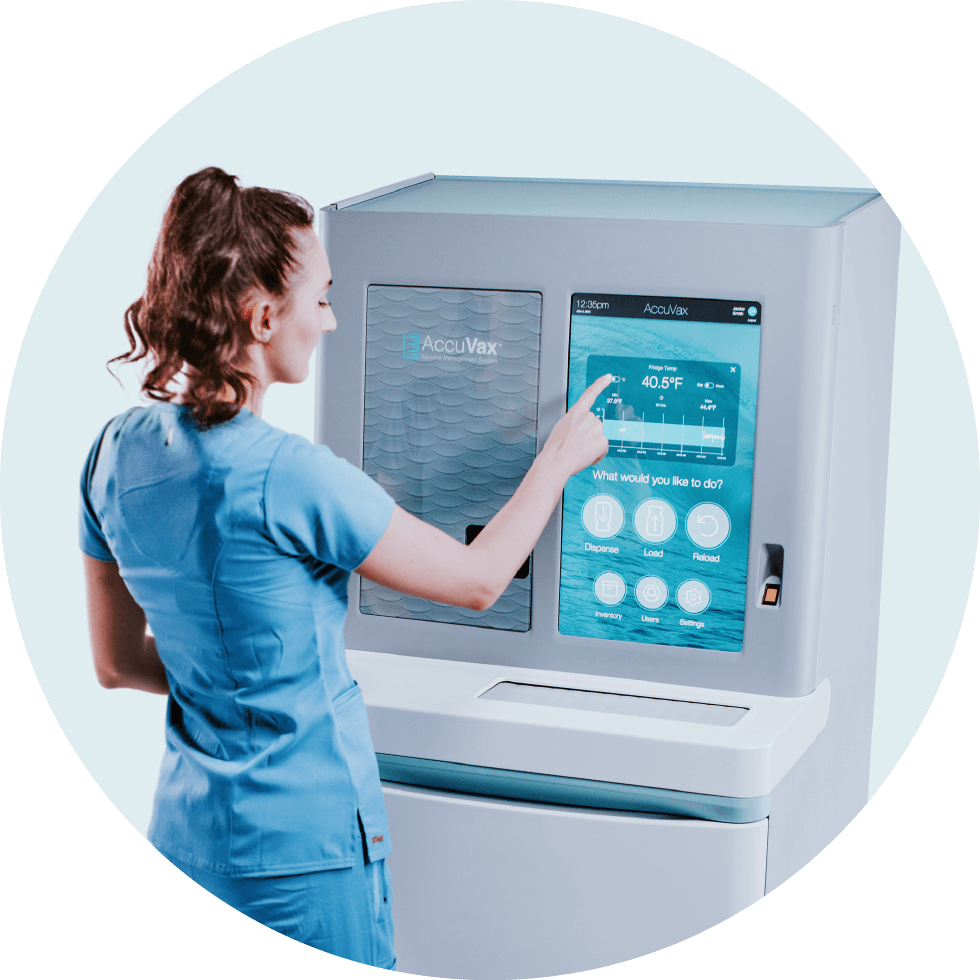
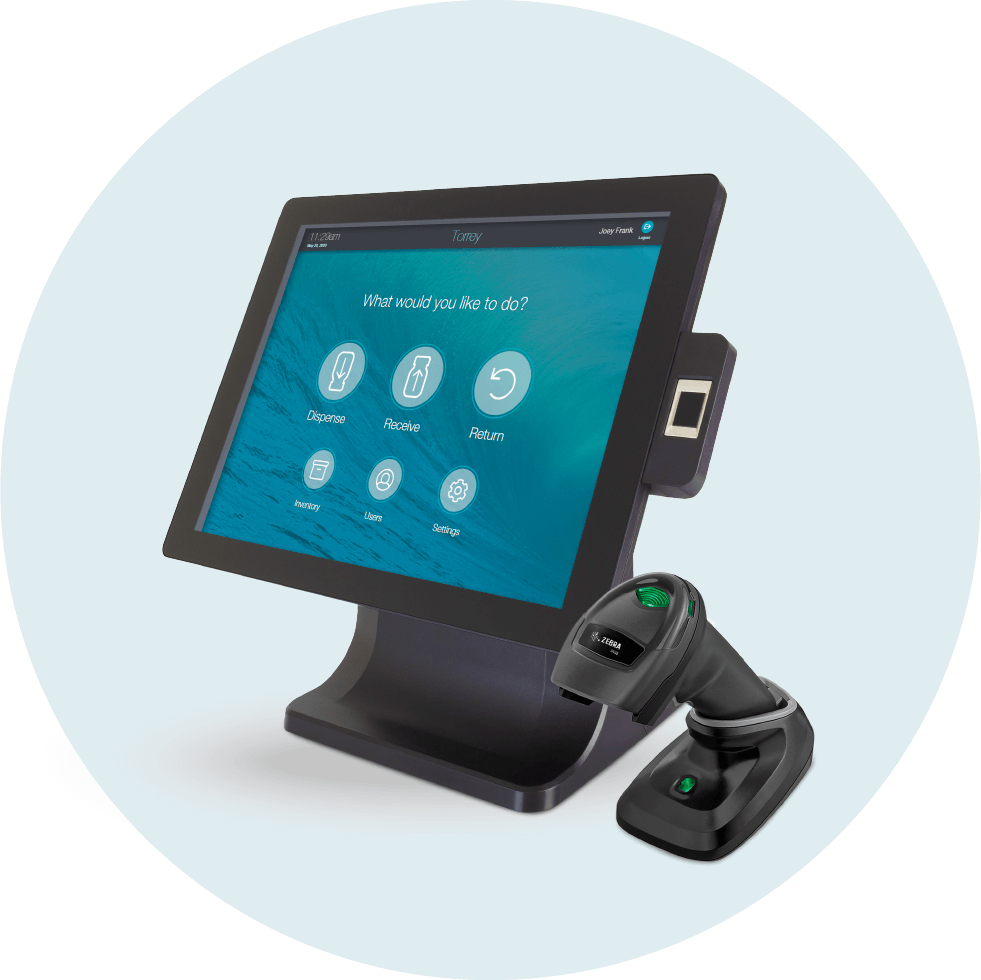
- Horizon 1’s “eligible medical equipment” guidance is a direct fit for AccuVax as a capital equipment purchase supporting modernization of an existing facility, replacing manual, higher-risk cold storage with automated, compliance-ready equipment.
- Horizon 2’s “diagnostics and outpatient care” priority service line is a reasonable fit for vaccine administration infrastructure, since preventive vaccination is core outpatient care and a documented access gap (unreliable cold chain, manual compliance burden) is exactly the kind of local infrastructure gap this track is designed to address.
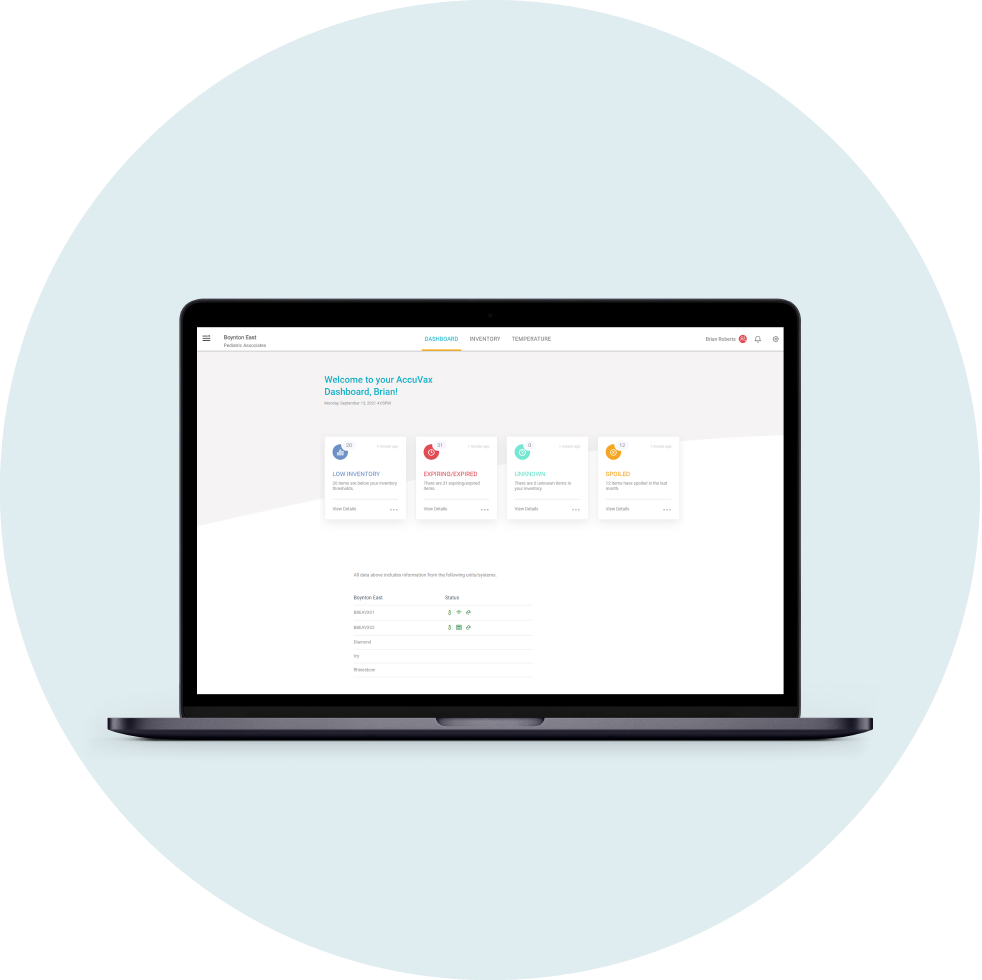
In either case, the strongest applications will tie the equipment request to a specific, documented gap: a history of temperature excursions or vaccine waste, manual VFC compliance logging that strains staff capacity, or a lack of reliable backup power protection for cold chain stock in your service area.
How to Pursue This
- Confirm your organization’s eligibility with the DSS Rural Health Transformation Office or MEMSA before applying — email RHTP@memsa.org with questions specific to your center’s status.
- Review the current IFBs on the Missouri Department of Social Services’ Bid Proposals page, and register through the MissouriBuys portal, which is required to submit.
- Watch for pre-proposal conferences. DSS has held virtual pre-proposal calls for both Horizon tracks — these are a direct opportunity to ask clarifying questions about equipment eligibility before you submit.
- Build your case around a documented gap, not just a product request — reviewers are evaluating whether a project closes a real, local access gap, not simply whether equipment is useful in the abstract.
- Note funding limits and exclusions up front. Since routine operating costs and staff salaries aren’t eligible, frame the request purely around the one-time equipment and installation investment.
How TruMed Can Help
If your organization is exploring ToRCH infrastructure funding for vaccine storage or inventory technology, TruMed can provide the product documentation, specifications, and use-case detail that Missouri’s IFB process may require,
Considering AccuVax or AccuShelf as part of a ToRCH Horizon 1 or Horizon 2 application? Reach out to TruMed Systems — we can help you put together the documentation your application may require.