

Why vaccine expiration is more than an inventory problem, and how smarter inventory management can help healthcare organizations reduce waste, protect valuable resources, and improve patient care.
In fall 2026, Immunize.org removed Dengvaxia from its clinical resources and family vaccine schedule following the expiration of the last remaining doses.
It was an unusual final chapter for a vaccine that had already been discontinued in the United States. But it also highlights a reality every healthcare organization faces: vaccines have a limited shelf life, and once they expire, their value is lost.
For community health centers, pediatric practices, and health systems, vaccine expiration is a routine challenge. Doses can sit unnoticed in refrigerators until an inventory count, an audit, or a patient visit reveals they can no longer be administered.
And the consequences extend well beyond the cost of the vaccine itself.
Expired vaccines represent a preventable financial loss for healthcare organizations, wasting valuable resources, increasing staff workload, and creating missed opportunities to protect patients.
Why Vaccine Doses Expire Unnoticed
Vaccine expiration rarely results from a single mistake. More often, it’s the result of small inventory management gaps that accumulate over time.
Manual inventory tracking. When lot numbers and expiration dates are tracked through spreadsheets, paper logs, or vial labels, identifying upcoming expirations becomes a time-consuming process that depends on staff availability.
Low-volume vaccines. Specialty vaccines, travel immunizations, and products administered to smaller patient populations may remain in inventory longer, increasing the risk of expiration.
Short-dated deliveries. Vaccines sometimes arrive with less remaining shelf life than anticipated. Without a process for identifying and prioritizing these doses, they can expire before being administered.
Inconsistent stock rotation. When staff select the most accessible vial rather than the one with the earliest expiration date, older inventory can remain unused.
Changes in vaccine demand. Shifting immunization recommendations, seasonal fluctuations, and changes in patient populations can leave organizations holding more inventory than they need.
These challenges aren’t necessarily signs of poor inventory management. They highlight the limitations of processes that rely heavily on manual tracking and staff intervention.
The True Cost of Expired Vaccines
The purchase price of an expired vaccine is only one part of the financial impact.
For healthcare organizations managing thousands of doses across multiple refrigerators or locations, vaccine expiration can create a ripple effect across operations, finances, and patient care.
Financial losses. Privately purchased vaccines that expire before administration represent lost inventory investment and may require additional spending to replace.
Increased administrative burden. Staff must identify, document, remove, and reconcile expired doses, taking valuable time away from patient-facing responsibilities.
Compliance challenges. Organizations participating in programs such as Vaccines for Children (VFC) must follow specific requirements for managing, documenting, and reporting expired vaccines.
Missed vaccination opportunities. When a patient needs a vaccine and the available inventory has expired, care may be delayed until usable doses become available.
Inventory inefficiencies. Repeated vaccine expiration can signal larger issues with purchasing, utilization forecasting, and inventory visibility.
For Federally Qualified Health Centers (FQHCs), pediatric practices, and health systems operating on tight budgets, reducing preventable vaccine waste is an important part of protecting both financial resources and patient access to care.
Five Ways to Reduce Vaccine Expiration and Waste
Preventing vaccine expiration requires more than periodic refrigerator checks. It requires consistent inventory visibility and proactive management.
1. Track Every Dose by Lot Number and Expiration Date
Accurate vaccine inventory management begins with knowing exactly what is in stock, where it is located, and when it expires.
Tracking vaccines at the lot and expiration-date level makes it easier to identify short-dated inventory before it becomes unusable.
2. Identify Upcoming Expirations Early
Waiting until an inventory audit to discover expiring vaccines leaves little time to take corrective action.
Proactive expiration alerts, such as notifications 60 to 90 days before a dose expires, can give healthcare teams time to prioritize usage, adjust ordering, or explore appropriate transfer options.
3. Follow First-Expired, First-Out (FEFO) Practices
Not all vaccines arrive with the same remaining shelf life.
A first-expired, first-out approach prioritizes vaccines with the earliest expiration dates, helping reduce the likelihood that older inventory remains unused while newer doses are administered.
4. Align Vaccine Ordering With Actual Utilization
Ordering based on historical purchasing patterns alone can lead to unnecessary inventory accumulation.
Reviewing actual administration trends, seasonal demand, and existing inventory levels helps organizations make more informed purchasing decisions and avoid overstocking.
5. Review Slow-Moving Inventory Regularly
Vaccines with low utilization and limited remaining shelf life are especially vulnerable to expiration.
Monthly reviews of slow-moving inventory can help healthcare teams identify opportunities to adjust purchasing, prioritize administration, or transfer eligible doses to another location when permitted under applicable program requirements.
Take Memory Out of the Equation
Preventing vaccine expiration shouldn’t depend on someone remembering to check every vial, every refrigerator, and every expiration date.
Yet many healthcare organizations still rely on manual inventory counts, spreadsheets, and periodic checks to manage valuable vaccine inventory.
Connected vaccine inventory management changes that approach—replacing reactive inventory checks with greater visibility and proactive oversight.
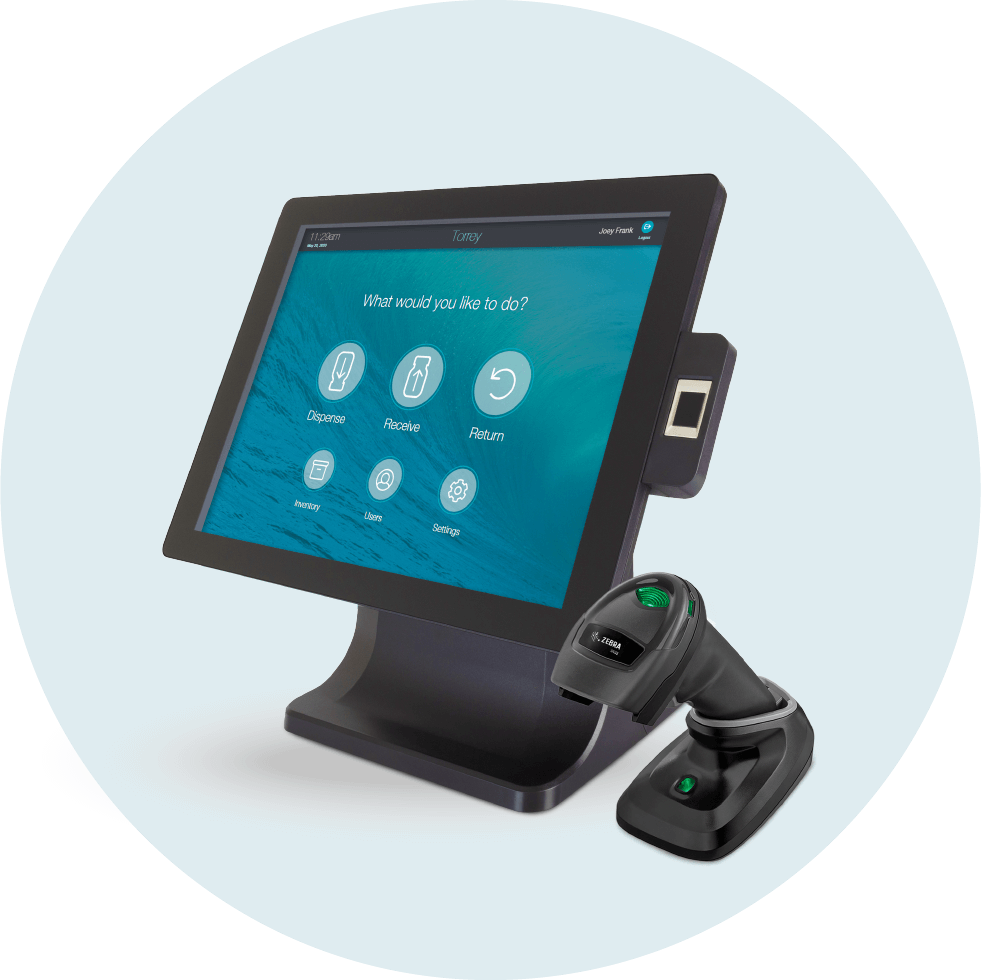
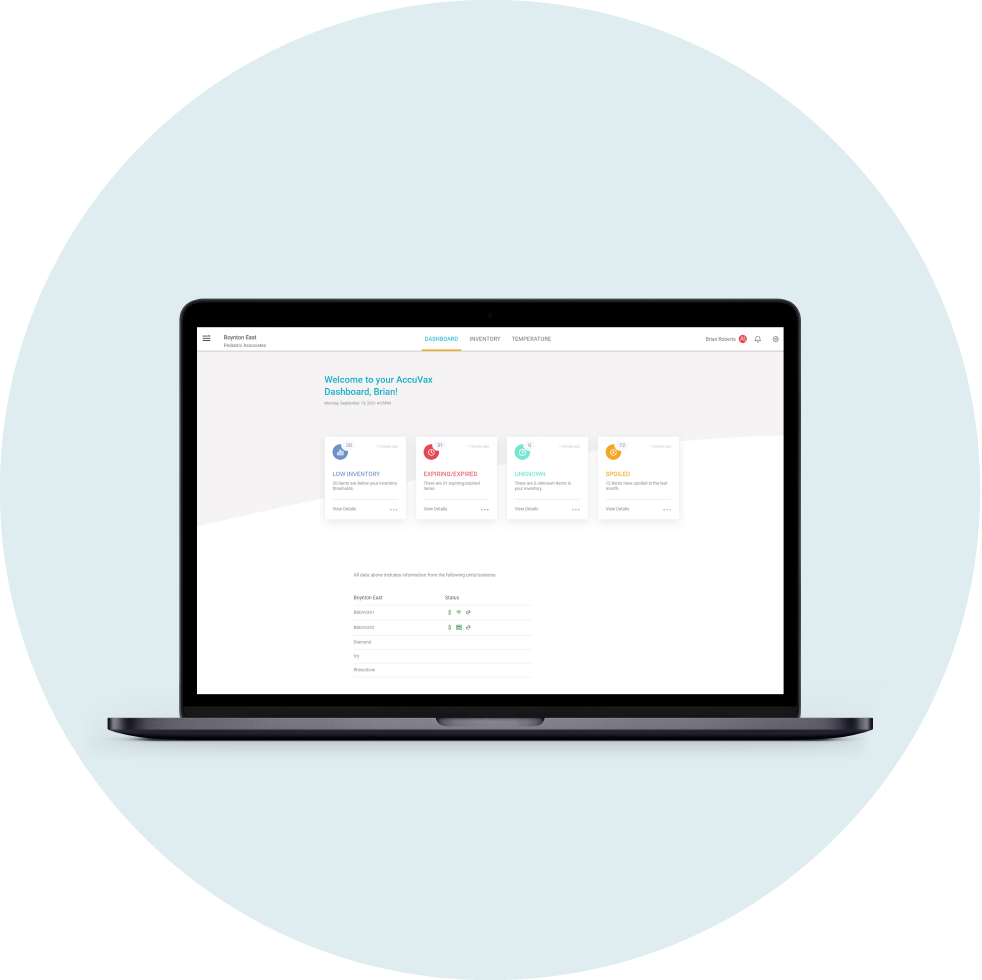
TruMed’s AccuVax Vaccine Management System and AccuShelf inventory management solution help healthcare organizations automate inventory processes and gain greater control over vaccine storage and management.
With connected inventory technology, healthcare teams can:
- Identify upcoming expirations before valuable doses become unusable.
- Improve inventory visibility across refrigerators and multiple locations.
- Support better stock rotation by identifying vaccines approaching expiration.
- Reduce manual inventory work through automated tracking and inventory management.
- Make more informed purchasing decisions with greater insight into inventory levels and utilization.
- Monitor storage temperatures 24/7 to help protect vaccine viability and reduce the risk of temperature-related losses.
By connecting inventory information with everyday workflows, healthcare organizations can spend less time managing inventory manually and more time focusing on patient care.
Smarter Inventory. Safer Patients.
Every vaccine dose represents an investment in patient health. When that dose expires unused, healthcare organizations lose more than the cost of the product—they lose valuable resources and an opportunity to protect a patient.
Reducing vaccine expiration starts with better visibility, proactive management, and the right technology.
Don’t let valuable vaccines become preventable waste.
Discover how TruMed’s connected vaccine inventory solutions can help your organization monitor expiration dates, reduce waste, and maintain greater control over every dose.
Schedule a Demo to learn more about AccuVax and AccuShelf.