
How automated medication inventory management helps dialysis centers protect high-value medications, reduce waste, and improve patient safety.
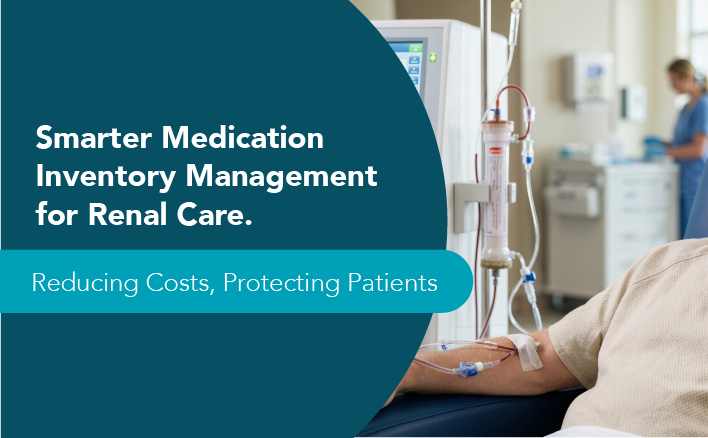
For renal care facilities and outpatient dialysis centers, effective medication inventory management is essential to both financial performance and patient safety. With expensive specialty medications, complex storage requirements, and increasing pressure to control operating costs, even small inventory inefficiencies can create significant financial and clinical challenges.
From erythropoiesis-stimulating agents (ESAs) to intravenous (IV) iron and other injectable therapies, dialysis centers must maintain accurate medication inventories while ensuring critical treatments remain available when patients need them.
Yet many renal care facilities continue to rely on manual inventory counts, spreadsheets, and time-consuming reconciliation processes that can make it difficult to maintain complete visibility into medication inventory.
Automated medication inventory management offers renal care providers a smarter way to protect valuable medications, reduce unnecessary costs, and strengthen medication safety.
The Financial Impact of Medication Waste in Dialysis Centers
Medication costs represent an important operating expense for dialysis providers. High-value therapies used to manage anemia and other complications of chronic kidney disease require careful inventory oversight to prevent avoidable financial losses.
Without effective medication inventory controls, dialysis centers may experience:
- Expired medications: Products that reach their expiration dates before being administered.
- Excess inventory: Unnecessary medication purchases that tie up working capital.
- Inventory discrepancies: Differences between recorded inventory and actual medication stock.
- Improper storage: Temperature excursions that may compromise medication integrity and result in costly product loss.
- Manual inefficiencies: Administrative time spent counting, tracking, and reconciling medication inventory.
For organizations operating multiple dialysis clinics, these challenges can become even more complex. Small inefficiencies repeated across numerous locations can create substantial cumulative costs.
Improving dialysis medication inventory management can help renal care organizations identify opportunities to reduce waste, optimize purchasing, and better protect their medication investments.
Protecting High-Cost Renal Medications with Better Inventory Visibility
Renal care facilities manage a range of medications that require accurate tracking, appropriate storage, and reliable availability.
These may include:
- Erythropoiesis-stimulating agents (ESAs): Medications such as epoetin alfa and darbepoetin alfa used to manage anemia associated with chronic kidney disease.
- Intravenous iron therapies: Injectable iron products used to support anemia management in dialysis patients.
- Specialty injectable medications: Additional therapies administered as part of renal care treatment protocols.
- Temperature-sensitive medications: Products requiring specific storage conditions to maintain their integrity.
Because these medications can represent significant financial investments, renal care organizations benefit from knowing exactly what is in stock, where it is located, and when it will expire.
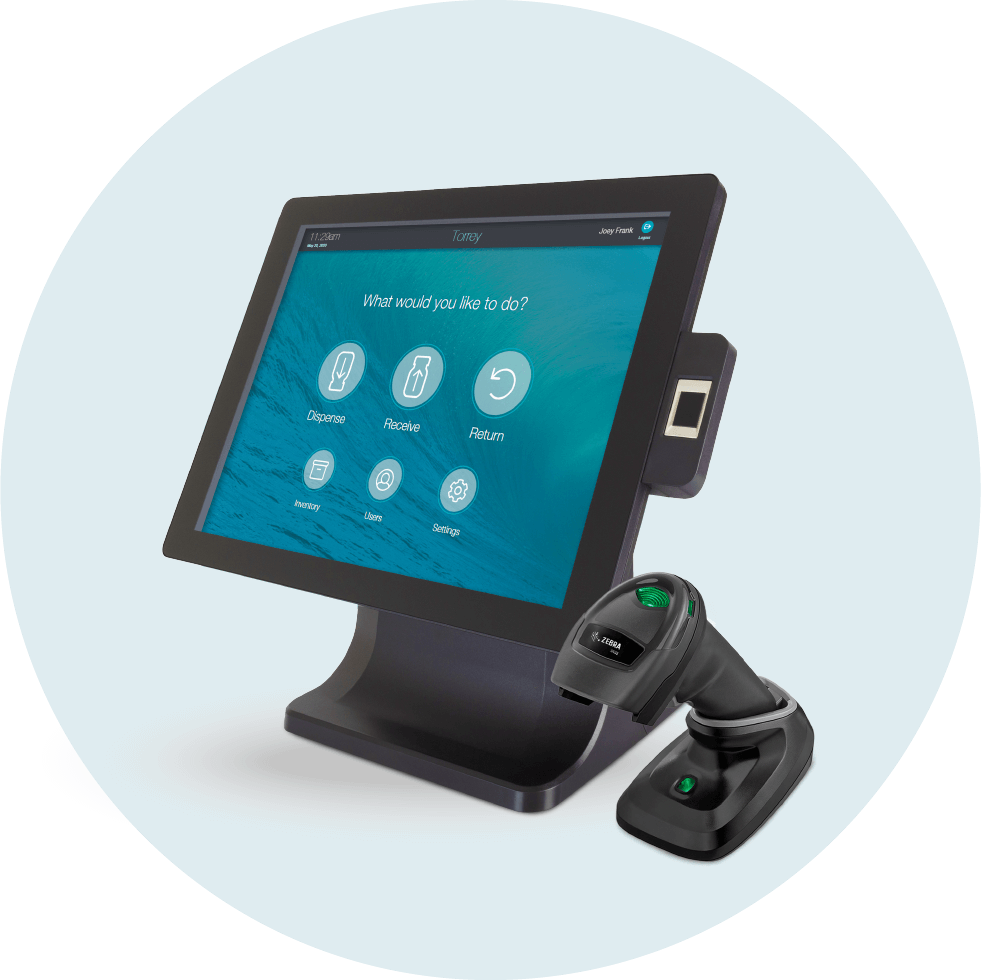
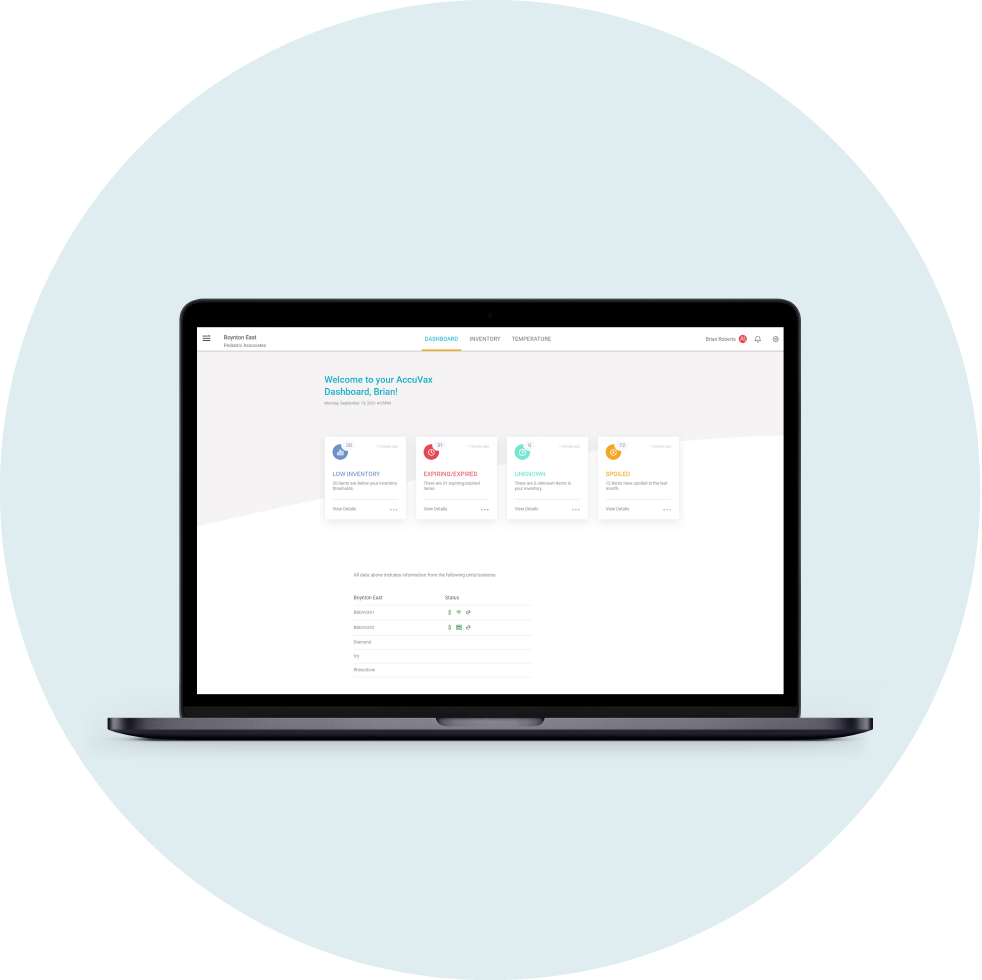
Automated medication inventory management systems help replace fragmented manual processes with more consistent inventory tracking and real-time visibility.
With improved oversight, dialysis center administrators and financial leaders can make more informed decisions about inventory levels, medication purchasing, and waste prevention.
Improving Patient Safety Through Medication Inventory Management
While financial protection is an important benefit of medication inventory automation, patient safety is equally critical.
Dialysis patients depend on consistent access to medications that support their ongoing treatment plans. Inaccurate inventory records, expired products, and improper medication storage can introduce avoidable risks into clinical workflows.
A stronger medication inventory management process helps support patient safety in several important ways.
Medication Expiration and Lot Tracking
Tracking medication expiration dates and lot numbers helps clinical teams identify products approaching expiration and respond more efficiently to medication recalls.
This level of traceability supports stronger medication accountability and helps facilities maintain appropriate inventory controls.
Temperature Monitoring and Medication Integrity
Certain renal medications require controlled storage temperatures. Inadequate monitoring can create risks to medication integrity and lead to expensive product losses.
Temperature monitoring technology helps facilities identify potential storage issues and respond according to established medication handling procedures.
Reliable Medication Availability
Maintaining appropriate medication inventory levels helps reduce the risk of avoidable shortages that could disrupt treatment workflows.
With better visibility into available stock, clinical teams can identify replenishment needs before they become urgent.
The goal is simple: protect the integrity of every medication while supporting safe, reliable patient care.
Reducing Administrative Burden for Dialysis Nurses and Clinical Teams
Renal care clinical teams already manage demanding treatment schedules, patient monitoring, medication administration, and documentation requirements.
Manual medication inventory management adds another layer of administrative responsibility.
Routine inventory counts, expiration checks, stock reconciliation, and ordering processes can consume valuable staff time.
Automated medication inventory management helps streamline these activities by improving inventory visibility and reducing reliance on manual tracking.
For clinical directors and nursing leadership, this creates an opportunity to improve operational consistency while allowing staff to spend less time managing inventory and more time focusing on patients.
Improving Medication Inventory Management Across Multiple Dialysis Centers
For renal care organizations operating multiple facilities, inventory management becomes increasingly complex.
Each location may have different patient populations, medication utilization patterns, purchasing needs, and inventory levels.
Without centralized visibility, identifying inefficiencies and standardizing inventory practices across facilities can be challenging.
A connected medication inventory management strategy can help organizations:
- Improve visibility into medication inventory across locations.
- Identify excess inventory and potential waste.
- Support more consistent inventory management processes.
- Strengthen medication accountability and traceability.
- Make more informed purchasing and replenishment decisions.
- Identify opportunities to improve operational efficiency.
For financial and operations executives, greater inventory visibility can support stronger financial oversight. For clinical leadership, standardized processes can help promote consistency in medication management across the organization.
How TruMed Systems Supports Smarter Medication Management for Renal Care
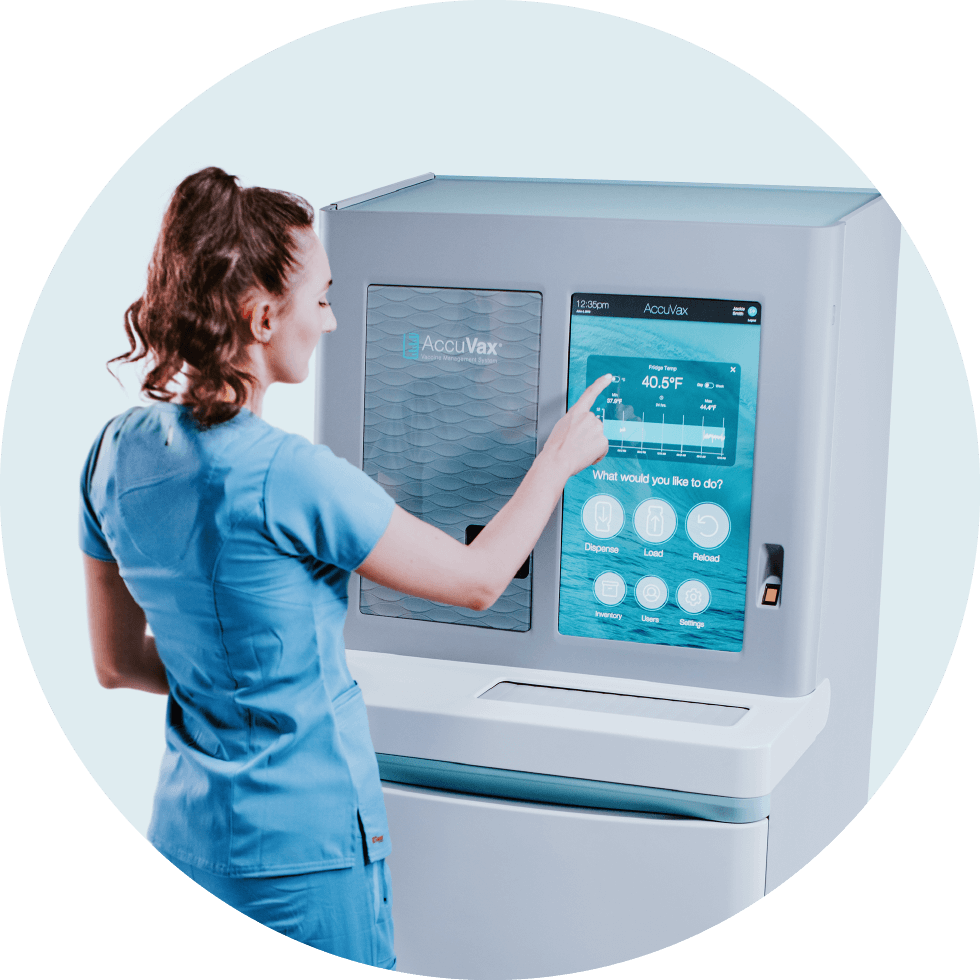
TruMed Systems provides connected medication inventory management solutions designed to help healthcare organizations improve inventory visibility, reduce manual processes, and strengthen medication accountability.
Through solutions such as AccuShelf® and AccuSite®, TruMed helps healthcare organizations take a more proactive approach to medication inventory management.
By bringing greater visibility and automation to inventory workflows, TruMed helps renal care facilities address two critical priorities:
Financial Protection
Protect valuable medication inventory, identify opportunities to reduce waste, improve inventory accountability, and support more efficient purchasing decisions.
Patient Safety
Support medication integrity, strengthen expiration and lot tracking, improve inventory accuracy, and help maintain access to critical medications.
Together, these benefits help renal care organizations create more efficient medication management processes while maintaining their focus on delivering high-quality patient care.
Protecting Your Medication Investment. Safeguarding Your Patients.
In renal care, every dose matters—and so does every dollar.
As dialysis centers continue to balance financial pressures with the demands of delivering safe, reliable treatment, effective medication inventory management is an increasingly important part of operational success.
By improving inventory visibility, reducing unnecessary waste, and strengthening medication oversight, renal care organizations can better protect their financial resources while supporting the patients who depend on them.
TruMed Systems helps healthcare providers take control of medication inventory with smarter, connected solutions designed to support financial protection, operational efficiency, and patient safety.
Ready to improve medication inventory management at your renal care facility?
Contact TruMed Systems to learn can help your organization strengthen medication inventory oversight and identify opportunities to reduce waste.